How to Identify Autism: Signs in Children and Adults (UK Guide)
Independent UK guidance — not affiliated with the NHS. Always consult your GP for medical advice.
How to Identify Autism
Autism, also known as Autism Spectrum Disorder (ASD), affects how a person communicates, interacts, and experiences the world. Autism is a lifelong neurodevelopmental condition, and identifying the signs early can help individuals access the right support and benefits in the UK.
Many autistic people are not diagnosed until later in life. Understanding the signs of autism can help you recognise whether you, your child, or someone you know may be autistic.
You can also explore our full Autism support guide for UK-specific resources and benefits.
What is autism?
Autism is a neurological condition that affects how the brain processes information. It is not an illness or disease, but a different way of experiencing and interacting with the world.
Autistic people may experience differences in:
- Communication
- Social interaction
- Sensory sensitivity
- Behaviour and routines
- Focus and interests
Autism exists on a spectrum, meaning each autistic person has a unique experience.
Common signs of autism in adults
Many autistic adults were never diagnosed as children. Some common signs include:
- Difficulty understanding social cues
- Feeling overwhelmed in busy environments
- Strong preference for routines
- Difficulty with small talk
- Intense focus on specific interests
- Sensory sensitivities (noise, lights, textures)
- Feeling socially exhausted
Many adults only discover they are autistic after researching their experiences or seeking a professional assessment.
You may also qualify for Personal Independence Payment (PIP) if autism affects your daily life.
Signs of autism in children
Autism signs often appear in early childhood, but they can vary.
Common signs include:
- Delayed speech or communication
- Avoiding eye contact
- Not responding to their name
- Preferring to play alone
- Repeating movements or behaviours
- Sensitivity to sounds or textures
- Strong attachment to routines
Early identification can help children access support at school and at home.
Sensory differences in autism
Sensory processing differences are very common in autistic individuals.
This may include:
- Extreme sensitivity to noise
- Discomfort with bright lights
- Sensitivity to clothing textures
- Feeling overwhelmed in crowded places
You can learn more in our guide to Sensory Processing Difficulties.
Social and communication differences
Autistic people may communicate differently.
This can include:
- Difficulty reading facial expressions
- Literal interpretation of language
- Difficulty maintaining conversations
- Preference for direct communication
This does not mean autistic people lack empathy. They may simply express it differently.
Benefits and support available in the UK
If you or your child is autistic, you may qualify for support and financial benefits.
This includes:
- Personal Independence Payment (PIP)
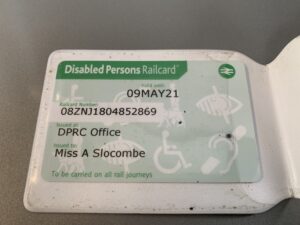
- Disabled Persons Railcard
- Education support plans
- NHS autism assessment
- Workplace adjustments
These supports can improve quality of life and independence.
How to get an autism diagnosis in the UK
If you believe you or your child may be autistic, the first step is speaking to a GP near you.
The GP can refer you for an autism assessment through the NHS or private services.
Diagnosis can help you access:
- Support services
- Workplace adjustments
- Financial benefits
- Education support
You can read our complete guide on how to get an autism diagnosis in the UK.
Why many autistic adults remain undiagnosed
Many adults were not diagnosed as children because awareness of autism was lower in the past.
Many people discover autism later in life after recognising lifelong patterns and challenges.
Getting diagnosed can provide clarity, support, and access to benefits.
How do I know if I am autistic?
If you experience difficulties with social interaction, sensory sensitivities, and strong routines, you may wish to seek a professional assessment.
Can autism be diagnosed in adults?
Yes. Many adults receive autism diagnoses later in life.
Is autism a disability in the UK?
Yes. Autism is recognised as a disability and may qualify for support such as PIP.
Final thoughts
Identifying autism can be life-changing. Understanding the signs allows individuals to access support, benefits, and resources available in the UK.
If you believe you or your child may be autistic, seeking professional advice is an important step.
UKNeuroGuide provides trusted information to help you understand autism, access benefits, and find support.